
This feature was published in conjunction with the screening of The Unknown at SFSFF 2025
Trauma haunted the screen in the early decades of silent cinema, often adapted from melodramatic subject matter dripping with sentimentality and victimhood, particularly for women. Gothic tales featured female characters as Victorian prudes, suffering, going mad, and dying, such as those Lillian Gish portrayed in Broken Blossoms (1919) and The Wind (1928).
As cinema matured, storytelling and female characters turned modern. Acting turned inward, women took control, and authenticity ruled the day. Biting, contemporary stories confronted sexuality and male-female relationships head-on, while actresses portrayed sheros not victims. Women boldly moved forward, chasing their own dreams and desires. Actresses like Clara Bow and Louise Brooks represented these new women, frankly sensual and strong survivors. Unlike earlier heroines, Brooks’s spirited runaway in Beggars of Life (1928) silences her tormentor and takes control of her own destiny, trauma be damned.
Farran Smith Nehme remarks in her powerful Tod Browning essay included as a bonus extra on Criterion’s DVD release of The Unknown (1927) that trauma on screen can be read as an active response, not as passive acceptance. She describes actress Joan Crawford as “playing trauma, quite likely stemming from violence,” when her character Nanon pushes back and recoils in disgust from men’s pawing caresses. This contemporary and daring response is reflected in this and other moving performances at this year’s festival.
NANON
The Unknown oozes masochism, gothic horror, and sublimated sex in the lurid world of a carnival, drawing a powerful early performance from relative screen newcomer Joan Crawford. Her seductive Nanon repels men’s sleazy advances by pushing their grimy hands away, setting a forceful Maginot Line they dare not cross. She yells early on, “Hands! Hands! Men’s hands! How I hate them!” a visceral response growing out of previous physical violence. No man respects her, yet all want her, from performing partner, the sociopathic knife-thrower Alonzo, to handsome strongman Malabar. Instead of retreating from these unwanted and lurid passes, Crawford confronts them head-on, acknowledging Nanon’s strength by demanding respect on her own terms. Malabar follows her lead, gaining her trust, allowing her to find strength in his arms.
OLGA
Just before Olga (Anna Sten) leaves the hospital with an infant in the rare 1928 Soviet melodrama My Son, she confesses to her dazed husband Andrei (Gennadii Michurin) that he is not the father. Their estrangement grows as Olga cares for her newborn under the judgmental watch of nosy neighbors in close quarters. She decides she cannot stay and finds her own way, and a new kind of happiness. Andrei eventually softens only after witnessing the mute trauma of another mother devastated by the death of her child. When fire threatens the apartment building where Olga now lives, it is Andrei who finds the boy in the building’s rubble and returns him to the arms of his mother bereft with worry. Whatever form their family takes in the future, the danger to the life of the baby has cemented their mutual bond.
MARY
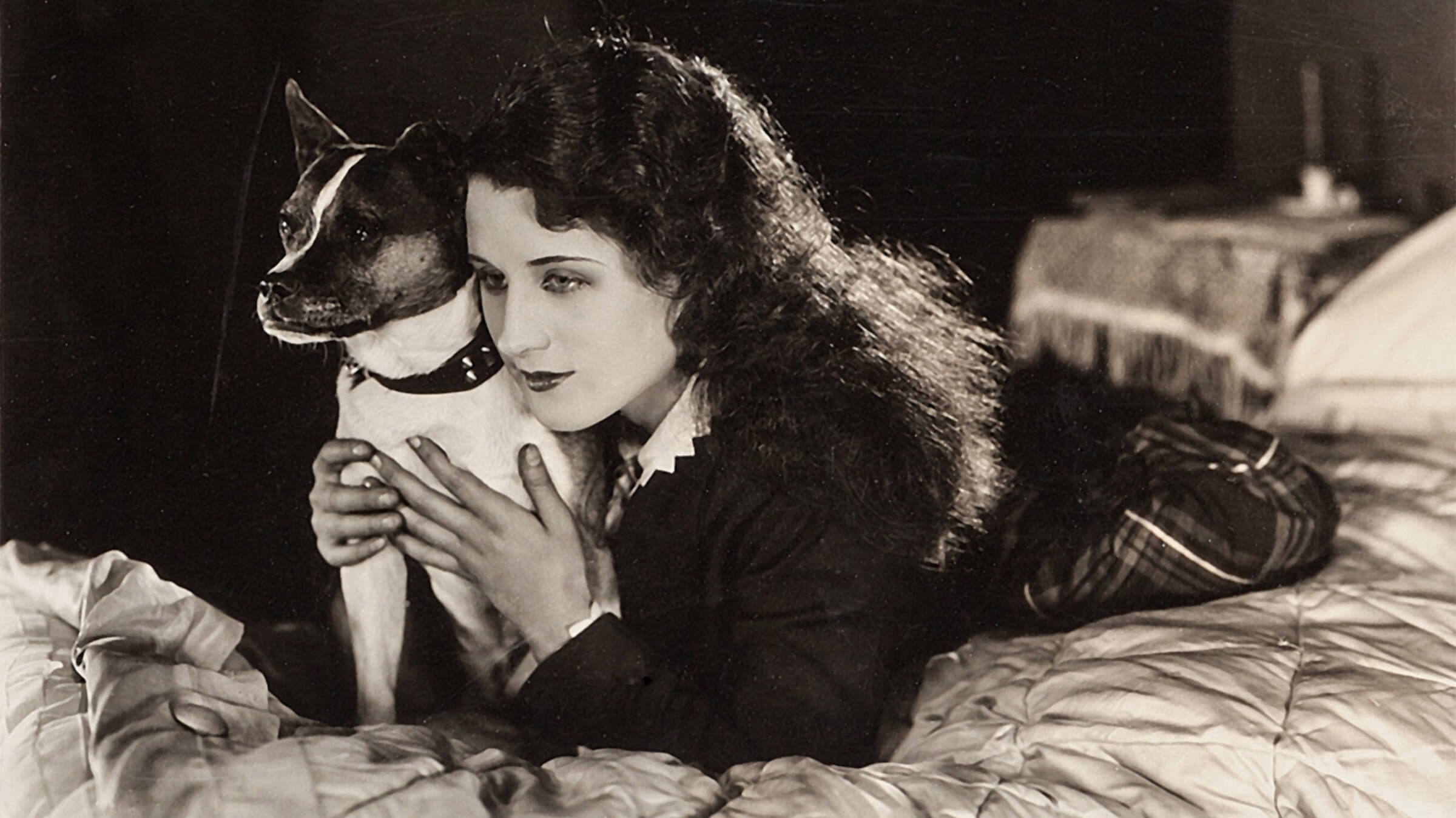
Innocent, devout country orphan Mary (Norma Shearer) undergoes trial by fire in The Devil’s Circus and learns to temper expectations and emotions while gaining strength in the process. She comes to the big city with her little emotional support dog, hoping to land a position with the traveling circus. Naïve to the ways of the world, she endures mashers, harassment, sexual assault, and finally an attack that cripples her, depriving her of her livelihood. Meanwhile her love, Carl (Charles Emmett Mack), languishes faraway, first in prison then through four years of a hellish war. The trapeze acrobat also locks herself away, learning to survive her new physical and emotional realities. Growing pragmatic, she faces life as it is rather than as she dreamed it would be. When Carl returns, she shares the truth of her tragic past with him, just as he had done earlier with her. Life comes full circle; their roles have reversed, but each helps mend the other’s broken places.
IDA
Power switches places in a browbeaten Danish household in Master of the House, one of Carl Theodor Dreyer’s most progressive and pointed pieces of social commentary. Overworked and longsuffering, Ida attends to tyrant husband Viktor, running herself ragged to meet his demands and raise their three children, all while juggling a part-time sewing job to help support them. She holds her tongue through his tirades about butter, slippers, a crying baby, even the presence of other women who try to keep Ida afloat. When the lout announces he’ll file for divorce if they are still there when he comes back, Ida reacts, going to her mother’s house to recuperate and putting the formidable Mads, her helper and Viktor’s former nanny, in charge. As Viktor is shown his foolishness in mistreating her—“that it is she who carries everything,….SHE is the Heart of the home”—Ida regains her strength and returns to continue to care for her family. Respect fills the home.