
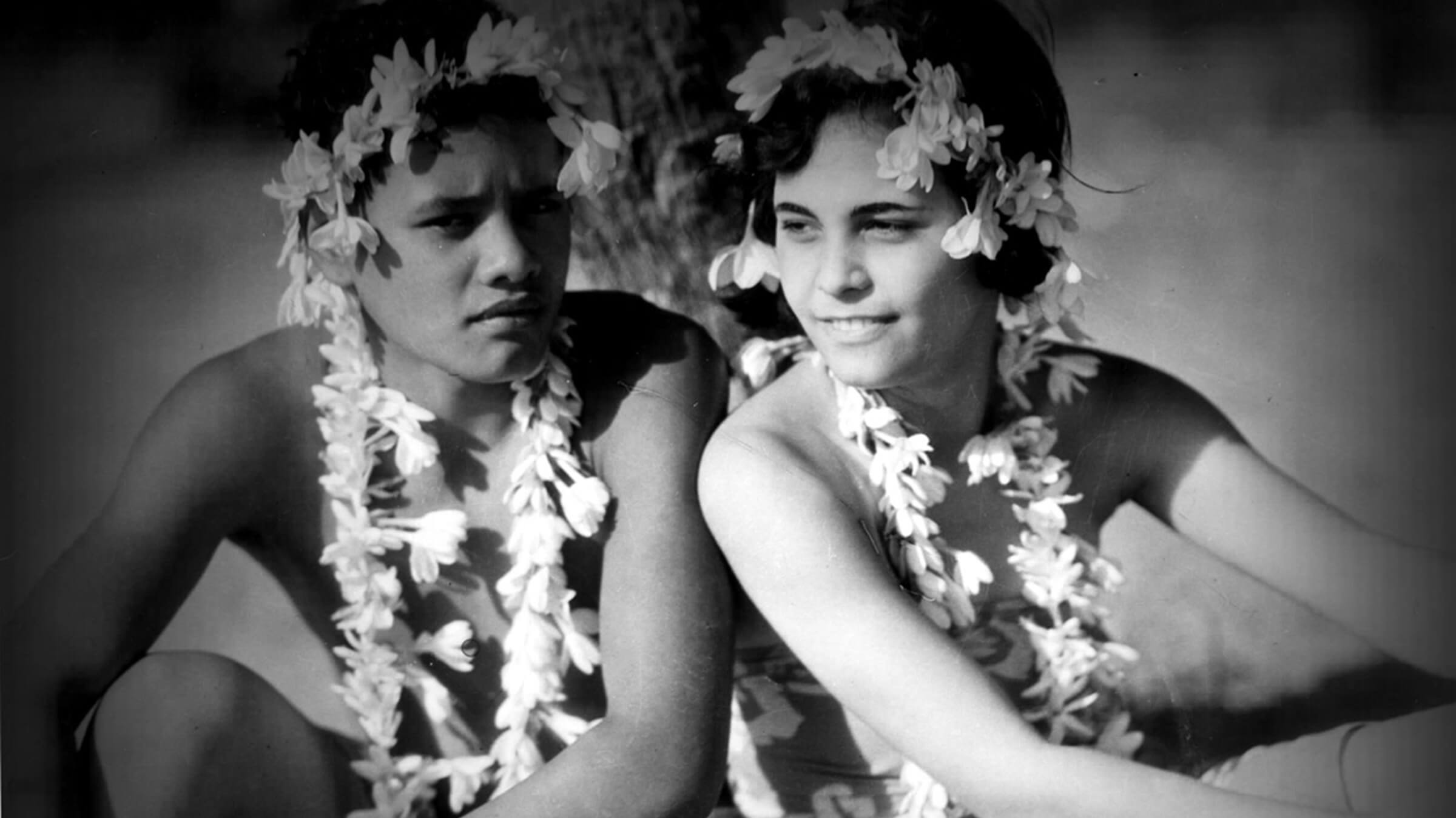
TABU: A STORY OF THE SOUTH SEAS
Music by Wayne Barker and Mas Koga
At the top of his artistic game, the director who had perfected the artifice of cinematic atmospheres abandoned the studio and its harrying producers to make a movie en plein air. Working with nonprofessional actors and a skeleton crew that included documentarian Robert Flaherty, F.W. Murnau spent more than a year and all his money in the South Sea islands for what turned out to be his last film.
Live musical accompaniment by Wayne Barker and Mas Koga
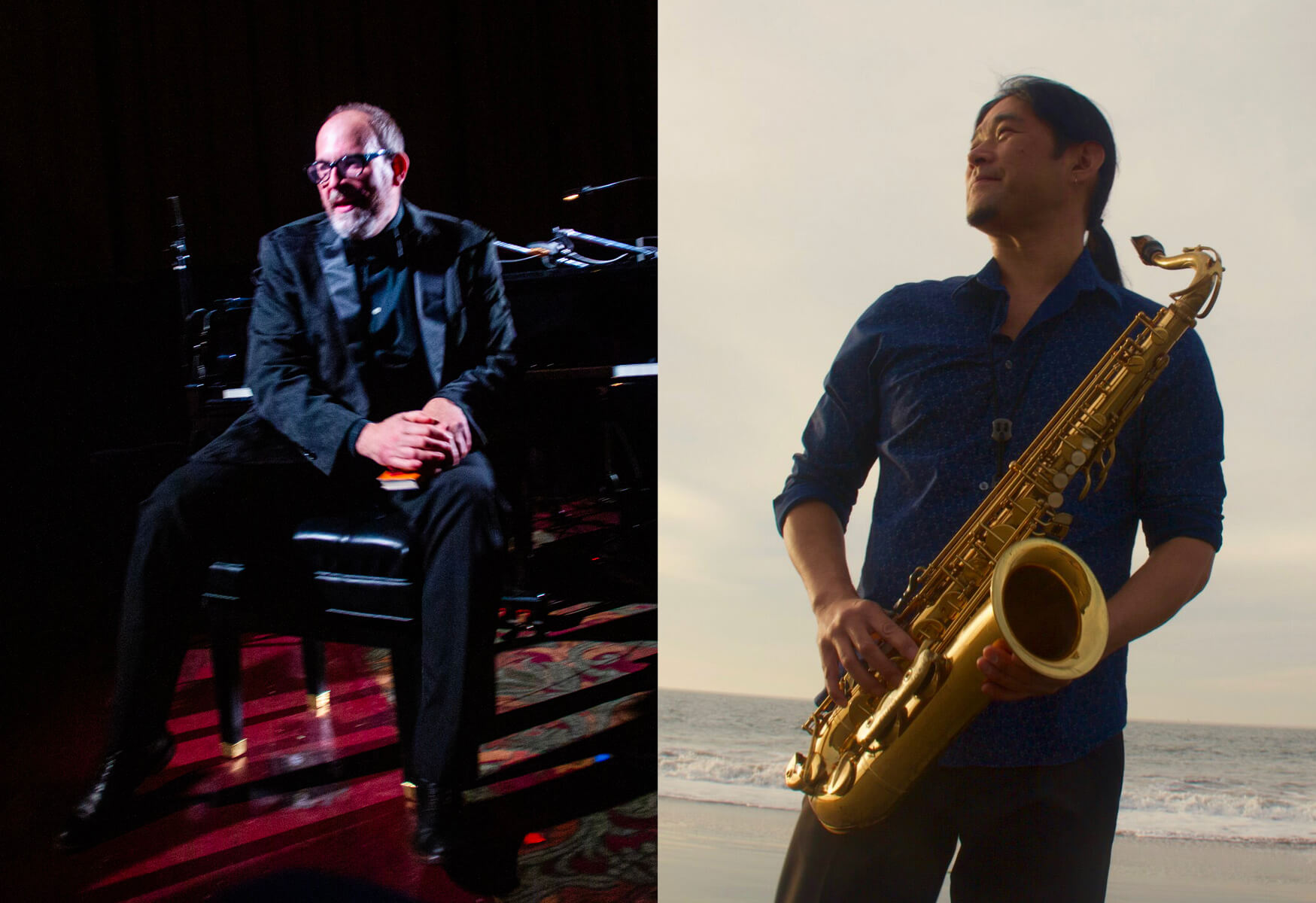
WAYNE BARKER has garnered acclaim both for his original compositions and live performances in the theater, including a Tony nomination for best original score on Peter and the Starcatcher. His numerous credits include piano scores for Beth Henley’s Laugh, an homage to silent-era slapstick; and Joe DiPietro’s Hollywood, centered around the 1922 murder of director William Desmond Taylor. He composed for Dame Edna Everage as well as appeared onstage as Master of the Dame’s Music for six years.
New York based multi-instrumentalist MAS KOGA developed his worldview at an early age. Soon after his birth in Chiba Japan, his family relocated to the US due to his father’s work, and he spent this adolescent years moving around multiple times. By the time he graduated high school, he had lived in three countries and nine different cities. Mas took an interest in music as a young child, especially in jazz. At 11 years old he started learning the trumpet and joined the school band. After another move to Munich, he had a chance to borrow an alto saxophone—and that changed his life. At 15, he began teaching himself with a magazine cutout of a fingering chart and CDs and cassettes of his favorite music. With an international upbringing, it was fitting that he found himself at San Jose State University in the Improvised Music Studies department, where he intensively studied and explored musical tradition from around the world. Fueled with a passion for cross-cultural experience, Mas started to incorporate the Japanese shakuhachi into his music, and began his apprenticeship with master shakuhachi artist Masayuki Koga. Mas’s sound encompasses the many cultural traditions he’s been touched by, and the worldview developed though diverse life experiences. He aims to create music that respects traditions and goes beyond styles and idioms to ultimately help diminish all forms of social boundaries.
Details
Director
F.W. Murnau
Country
United States
Year
1931
Cast
Matahi, Reri, Hitu, Jean, Jules, Kong Ah
Source
UCLA Film and Television Archive
Runtime
85 minutes
Format
35mm